
For decades, women have been told that fitness success comes from pushing harder, doing more and maintaining the same level of intensity every day. But the female body doesn’t operate on a 24-hour cycle alone. It also follows a roughly monthly hormonal rhythm that can influence energy levels, recovery, strength, endurance, mood and motivation. This is where cycle syncing fitness comes in.
By Lola Marks
What Is Cycle Syncing Fitness?
Rather than fighting against natural hormonal fluctuations, cycle syncing encourages you to align your workouts with the different phases of your menstrual cycle. Hormones such as estrogen and progesterone naturally rise and fall during the month, affecting how your body responds to physical activity.
While every woman experiences her cycle differently, many find that certain types of workouts feel easier and more enjoyable during specific phases. By paying attention to these patterns, you can create a fitness routine that works with your body.
Menstruation: Prioritize Recovery and Gentle Movement
The menstrual phase begins on the first day of your period and typically lasts between three and seven days. Your sleep may be affected, so you may feel more tired than usual. Some women experience cramps, headaches, bloating or breast tenderness. Others feel relatively normal.
This phase is often a good time to focus on restorative forms of exercise, including:
- Walking
- Gentle yoga
- Stretching
- Mobility work
- Easy cycling
- Light strength training
It’s important to remember that low-impact cardio can still be highly effective when you’re not up to a more intense workout. It can strengthen your heart and lungs and help you maintain a caloric burn that manages weight. Lower-impact movements are also gentler on your joints, as the motions are slower.
Listening to your energy levels is key. Some days you may feel ready for a full workout, while on others, a short walk may be exactly what your body needs.
The Follicular Phase: Build Momentum
The follicular phase also starts on the first day of your period. It often brings an increase in energy and motivation.
Many women notice they feel ready to take on challenges during this time. This is an excellent opportunity to gradually increase workout intensity. Consider incorporating:
- Strength training
- Circuit workouts
- Running
- Group fitness classes
- Moderate-intensity interval training
- New fitness challenges
Because your body may be more responsive to training during this phase, it can be a great time to work toward personal fitness goals or learn new movement skills.
The Ovulatory Phase: Take Advantage of Peak Performance
Ovulation occurs around the middle of the menstrual cycle. Estrogen levels peak, and many women experience their highest levels of energy.
Some women may experience improvements in strength, power and endurance during this phase. As a result, it can be an ideal time for more demanding workouts. Activities to consider include:
- Heavy strength training
- High-intensity interval training
- Sprint workouts
- Competitive sports
- Challenging fitness classes
- Personal record attempts
This phase is often when your body feels most capable of handling intense physical demands. However, proper recovery, hydration and nutrition remain essential.
The Luteal Phase: Adjust and Adapt
Progesterone levels rise following the ovulatory phase, promoting muscle relaxation. However, as progesterone continues to increase, bloating and mood changes may begin to appear.
Instead of viewing this shift as a setback, think of it as an opportunity to adapt your training approach. During the early luteal phase, you may continue with:
- Strength training
- Steady-state cardio
- Moderate-intensity workouts
As you move closer to your period, it can be helpful to transition toward:
- Pilates
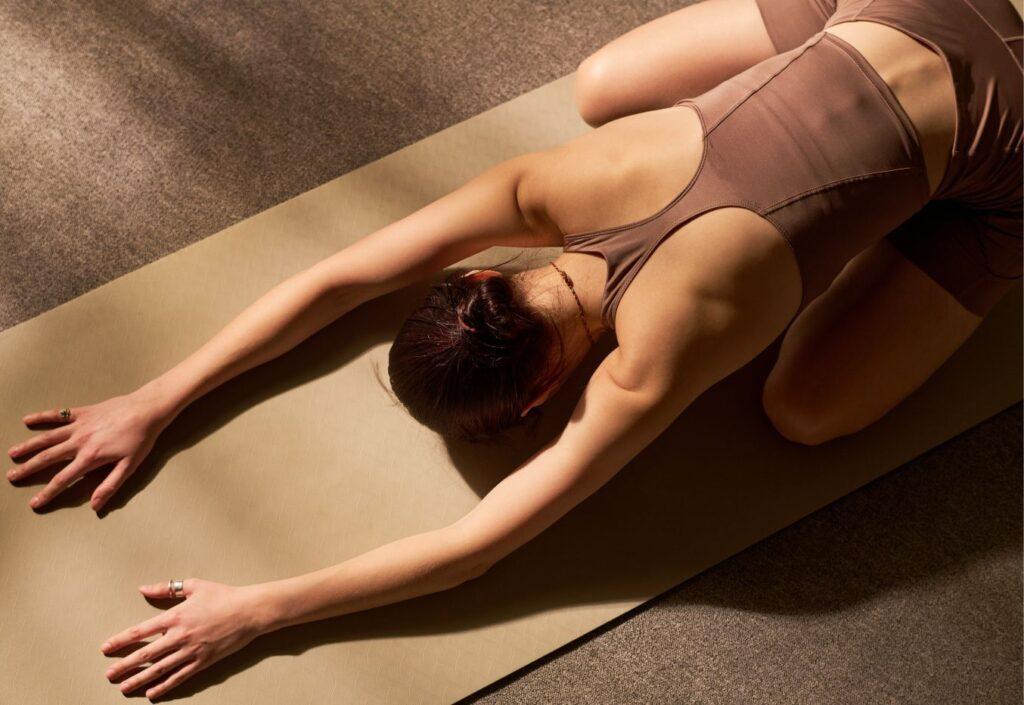
- Yoga
- Walking
- Swimming
- Lower-impact strength sessions
- Moderate cycling
This flexibility allows you to stay consistent without forcing your body through workouts that feel unnecessarily difficult.
When Cycle Syncing Can Be Beneficial
Many women find that cycle syncing helps them become more aware of their bodies and exercise needs. Rather than feeling frustrated by fluctuations in performance, they learn to anticipate and work with them. You might be able to improve workout consistency, recovery, exercise burnout, motivation and fitness habits.
Perhaps most importantly, cycle syncing encourages self-compassion. Fitness doesn’t require maximum effort every single day to be effective.
Every Cycle Is Different
While cycle syncing can be a helpful framework, it’s not a strict set of rules. Factors such as age, stress, sleep quality, nutrition, medical conditions and hormonal birth control can all influence how your body responds throughout the month.
Some women feel dramatic shifts in energy levels. Others notice very little difference. Tracking your cycle alongside your workouts for several months can help identify patterns unique to you. Over time, you may discover when you naturally feel strongest, when recovery is most important and how to structure your fitness routine for long-term success.
Find Your Fitness Flow
Cycle syncing fitness is a refreshing alternative to the idea that every workout should look the same. By aligning your exercise routine with your hormonal fluctuations, you can create a more balanced and enjoyable approach to movement.