A diamond is one of the few purchases most of us make only once or twice in a lifetime, and few come with a bigger price tag. Most shoppers walk in with a budget, a style in mind, and a working knowledge of the 4Cs, so it’s no surprise that value comes first.
According to De Beers Group’s ORIGIN Provenance Awareness Index, when Americans make a luxury purchase like a diamond, their number one priority is getting the best possible price for the quality (37%), followed by assurance of quality and craftsmanship (30%).
Why Is ORIGIN Part of the Price?
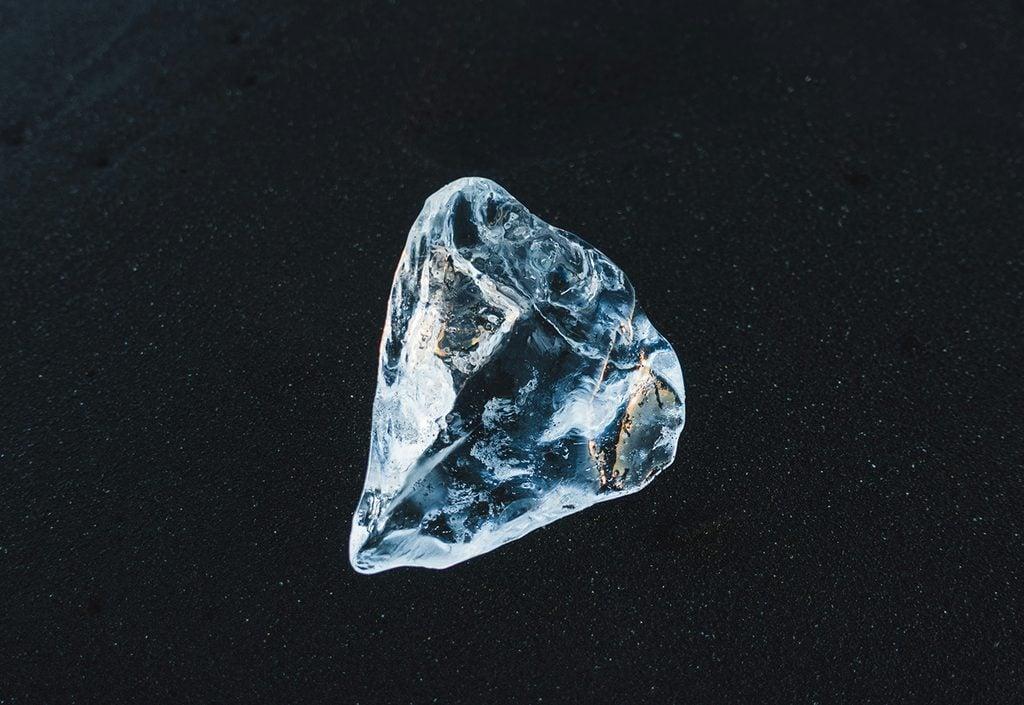
Good value, though, depends on knowing exactly what you’re paying for. With diamonds, one of the most important details is also one of the least discussed: where the stone came from.
Every natural diamond has a starting point: a specific place where it was found before it was cut, polished, and set. For many buyers, that story is part of what makes the stone worth the money. Two-thirds of Americans (66%) say knowing where a diamond comes from would influence their decision to buy, rising to 79% among people who already own one.
It’s the same instinct that guides how we shop for a heritage handbag or a fine watch, where provenance, craftsmanship, and paperwork all shape what a piece is worth to us. In fact, when making a luxury purchase like a diamond, Americans are more than twice as likely to prioritize clear information about where it comes from as a prestigious brand name.
What Buyers Aren’t Being Told?
Two-thirds of Americans (66%) say knowing where a diamond comes from would influence their decision to buy. Yet at the point of sale, that information often isn’t there. Only 27% of buyers were told the specific country their diamond came from, and around four in ten walked away with no meaningful origin information at all.
Part of the problem may be awareness. Overall, 44% of Americans don’t know diamonds can be traced to where they were found, so many simply don’t think to ask. This means people are spending a significant sum without being told something they say matters to them.
Five Questions to Ask Before You Buy
Closing that gap is simpler than it sounds. Before you hand over your card, these five questions will help make sure you’re getting real value for your money:
- Is it natural or lab-grown, and does the receipt say so? The two are priced very differently, so make sure you know exactly what you’re paying for.
- Where does it come from? Ask for the specific country, not just “responsibly sourced,” and ask for it in writing.
- Who graded it, and can I see the certificate? An independent grading report is how you check the cut, color, clarity, and carat you’re paying for.
- Does the paperwork match the stone? Many graded diamonds carry a tiny laser inscription that links the stone to its certificate. Ask the jeweler to show you.
- What are the return, resizing, and upgrading policies? A proposal doesn’t always go to plan, and the ring doesn’t always fit the first time.
Every Sparkle Has a Story
The most beautiful diamond in the case is only part of the picture. Whether it’s a proposal ring, an anniversary gift, or a long-awaited treat to yourself, these questions take minutes to ask and can shape how you feel about the piece for years to come. Appearance alone is no longer sufficient. Price, craftsmanship, and origin are evaluated together, with the best value coming from knowing exactly what you’ve bought and where it began.