
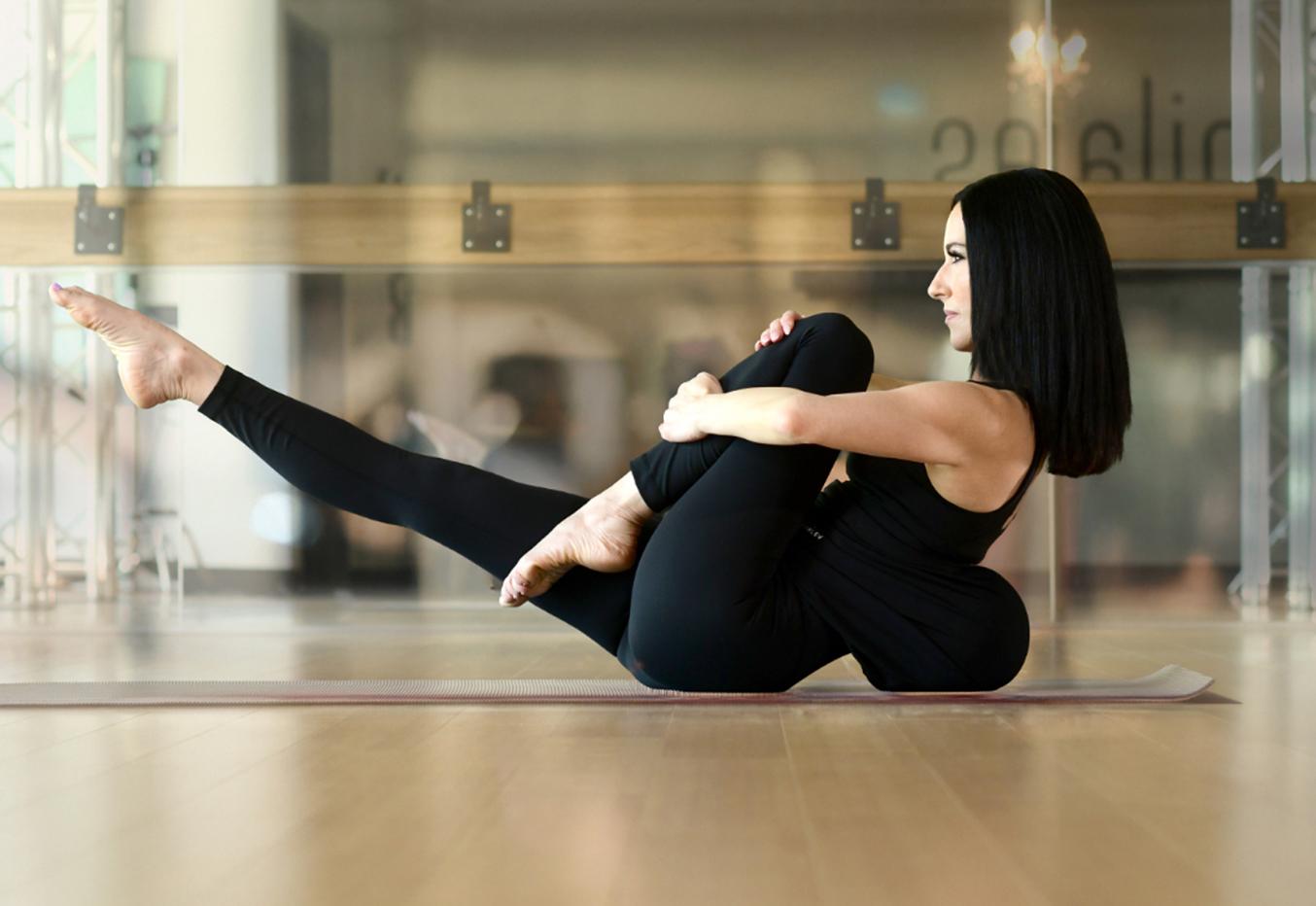
April, recognized as National Donate Life Month, is a powerful reminder that second chances are not just abstract ideas, they are lived realities. For Kahley Schiller, Founder of Pilates By Kahley, that second chance didn’t come quietly. It arrived through a life-saving transplant that forced her to rebuild, not just physically, but mentally and emotionally; piece by piece, breath by breath.
What emerged on the other side is what she defines as her “NEW YOU”, a version of herself rooted in strength, discipline, and an unshakable sense of purpose. Once operating on autopilot, balancing motherhood and career without prioritizing herself, Kahley now lives with intention. Her routines, her work, and even her perspective have been completely recalibrated. She credits her survival not just to medical intervention, but to the physical resilience she built beforehand and the mental toughness she developed after, learning to navigate fear, uncertainty, and the quiet, often invisible battles that follow a transplant.
But her transformation didn’t stop at survival. It evolved into advocacy. Kahley uses her voice to spotlight the urgent need for organ donors, emphasizing that becoming a donor is one of the most profound acts of heroism a person can offer. She works closely with Gift of Life, a national model for the support, awareness, and success of organ, eye, and tissue donation through education, mentoring, and collaboration with partners and individuals across the transplant community. With over 100,000 people currently on the transplant waiting list, she reframes the conversation in a way that cuts through hesitation; this is not just a decision, it’s a legacy. For Kahley, that legacy is deeply personal. Her donor, Jason, is not just a memory, but a constant source of motivation, a reminder that her life today is directly tied to someone else’s selfless act.
Today, Kahley channels that second chance into everything she does, from working with elite athletes including Ter’Shawn Wharton, George Karlaftis, Chris Jones, Charles Omenihu, Derrick Nnadi, Mike Danna and more, to creating tools like The Ab Belt, designed to help others safely rebuild their strength. Stronger, more aware, and deeply committed to making sure that her “NEW YOU” is not just a personal evolution, but a platform for impact. NEW YOU was able to sit down with Kahley who expressed her story is not about bouncing back, it’s about building forward.
1. After everything you’ve been through, how do you define the “NEW YOU” today, physically, mentally, and emotionally?
KAHLEY SCHRILLER: At the time I was going to get my transplant I told myself that I am going to be as healthy as I possibly can after I get on the other side of this — I’m truly the healthiest I’ve ever been today because I have stayed true to that. One of the reasons I even survived the surgery was because I was physically strong prior and was able to recover better after. Mentally, I’ve had to be more tough. When you go through something like this, it definitely challenges your mental state by all means. I’ve learned the tools, and had to really embrace how to be mentally tough through something like that. However, I’m a little bit more sensitive, more compassionate, especially for people who experience any type of hardships. I definitely cry a lot, probably more than I used to, just from going through the transplant.
2. You’ve spoken about rebuilding your identity post-transplant… what did that process really look like behind the scenes, and how did you learn to trust your body again?
KS: When I first told my doctor what I was experiencing, he basically brushed it off. A couple days later, my eyes turned yellow and I went back and basically had a demand for him to take action and do blood work. After my transplant, I also had a heart surgery, and then I had kidney stones & infections and was back in the hospital numerous times, and a lot of times they didn’t take my symptoms seriously. I’ve had to really be confident in what I’m saying and learn to listen to my body and be my own advocate. I learned the hard way, but it’s changed and I’ve truly become a better advocate for myself through this.
3. Many people focus on the physical recovery, but the mental and emotional side is just as intense… what were some of the unseen challenges you faced in your healing journey?
KS: After I got the transplant, I had a real battle with fear of death. I didn’t have it while I was waiting for a transplant, but I had it after. Every night I had to reassure myself that I was gonna wake up the next morning, and this took years to overcome. There was just something so deep inside of me that I couldn’t shake for a really long time. I don’t know if I’ve ever even told anybody that, but that was the biggest thing that I had to really work on overcoming.
4. There’s a unique balance between gratitude and grief when you receive a life-saving transplant. How have you learned to carry both while honoring your donor, Jason, and his family?
KS: I have a great relationship with Jason’s mom, and through this relationship I’ve learned so much about him. I also found that my relationship with his mom has helped heal her after his passing and that has in turn helped me. I carry his legacy with honor — he unfortunately did pass, but it just pushed me beyond my insecurities and kind of re-lit my spark to keep me going. He’s kind of like my muse in that way and then just knowing that I got a second chance at life which is a very rare thing. That has definitely helped carry me to keep going.
5. You work with elite athletes, including NFL players, helping them extend their careers through recovery and mobility, how did your personal experience reshape the way you approach performance and longevity?
KS: They have a great influence on me as well because they truly value and take care of themselves, especially through recovery and sleep. That is not something I cared about before my transplant, I was just on the go and being a mom and it wasn’t a top priority for me. I now have an infrared sauna that I like to do daily, which has also helped with my immune system and sleep. Now I have a whole new routine — I get up super early and I go to bed around 9:00 PM like I’ve changed completely.
6. Survivor’s guilt is something many transplant recipients quietly navigate. How have you turned that feeling into purpose and impact through your work and advocacy?
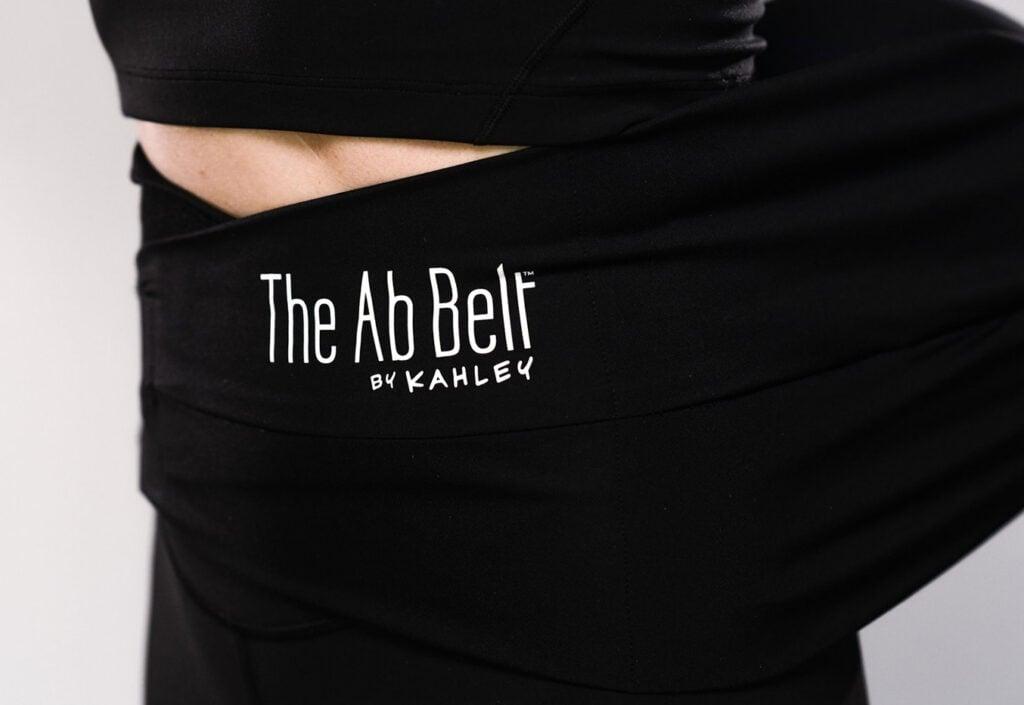
KS: By sharing my story, number one, because I felt like I needed to do that. I felt it is a story that gives people hope and especially in this day and age, we need more of those positive stories versus the negative. So that’s why I keep sharing and hope that it will help somebody. Of course, also spreading the word about becoming an organ donor. That is a really big deal, and now with how many people are on the waiting list. Through my recovery, I created a product called the AB Belt, and it’s how I rehabilitated myself after the transplant surgery.
7. Through your partnership with KC Gift of Life, you’ve become a powerful voice for organ donation… what do you wish more people understood about becoming a donor, especially during National Donate Life Month?
KS: Growing up I feel like a lot of kids always want to be a superhero. Being an organ donor is an opportunity to be a hero. Currently right now there are over 100,000 people on the National Transplant List with Kidneys being the highest in demand. The more people hear about this, I hope it helps to solidify their decision to become one. I will always look at Jason as being my hero. He’s the reason why I’m still here.
8. Looking at your life today, from motherhood to your career to your advocacy, what legacy are you now building, and how does that tie back to the second chance you were given?KS: I never gave up. I was given 90 days to live, and I had to sit and wait for a call telling me that someone had died for me to live. My purpose for saying this is that there is nothing that teaches you more patience than having to sit there, wait, and trust God’s timing. You just never know what our purpose or what our future will look like. You could be at the very end of something, but you can’t quit, you just have to keep going.